← Compare this category

Waterdrop G3P600: is it right for your home?

PickWisely is reader-supported. When you buy through links on our site, we may earn an affiliate commission at no extra cost to you. Learn more.
PickWisely EditorialResearch-based guidance · Updated September 24, 2026Our standards →
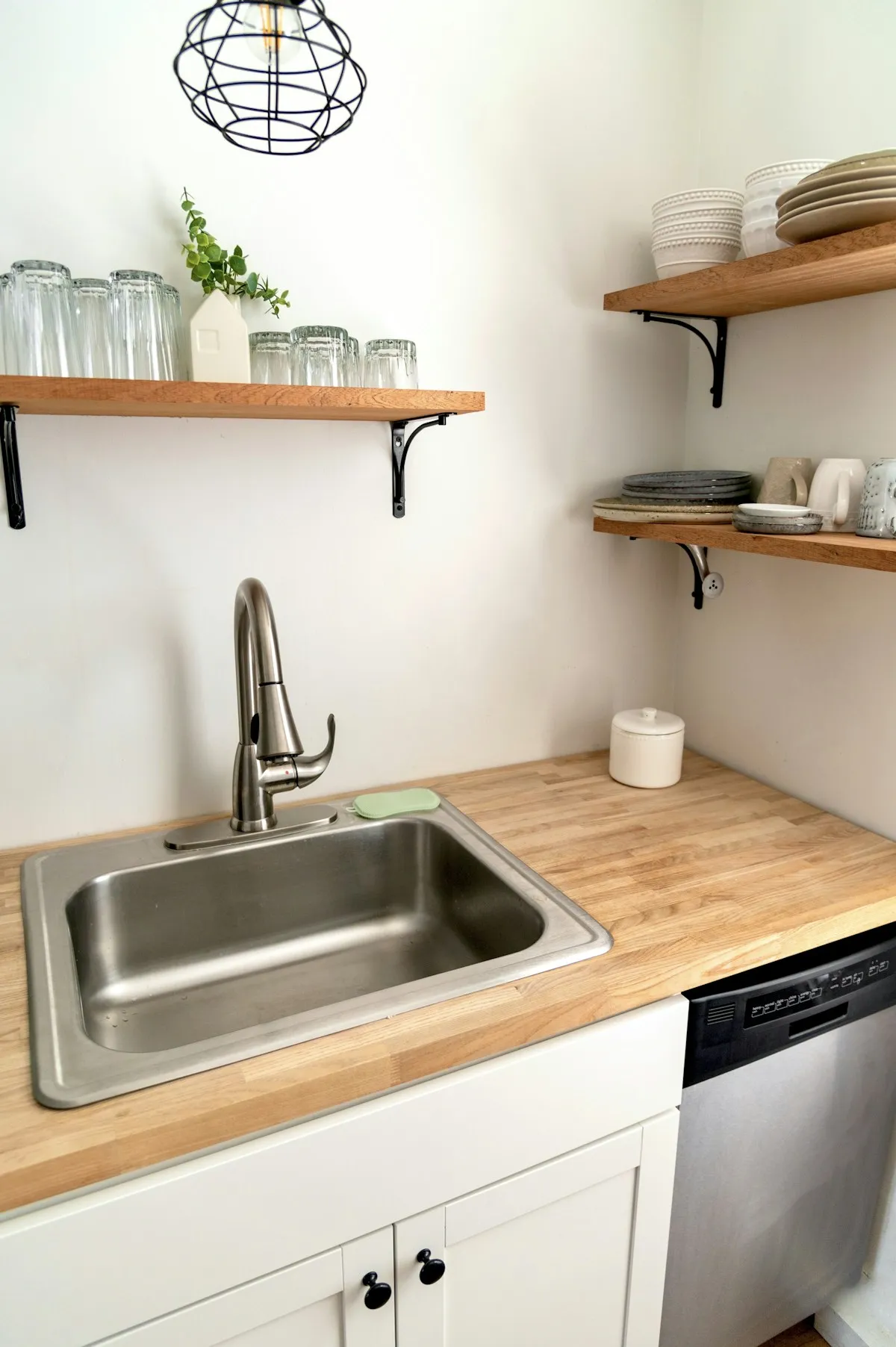
A kitchen sink and faucet in a contemporary kitchen
Start with the space around your sink. Illustrative setting; not a product test photo.Photo: Andrea Davis / Unsplash

Your quick decision shortlist

“Best” labels describe editorial fit for a use case. Value means simpler features, not a verified lowest price. These are not hands-on test rankings.

Compare the details that matter

Manufacturer specifications; researched September 24, 2026. Unverified fields are marked.
ModelFiltrationRated capacityPure : drain waterRemineralizationReplacement cost
Waterdrop G3P600Tankless RO; CF / RO / CB600 GPD nominal2:1 pure-to-drain (maker claim)Remineralization: bundle-dependentAnnual cost: current cartridges + schedule
Waterdrop TSAThree-cartridge carbon systemFlow: verify current model manualRO waste ratio: not applicableNot an RO / remineralization equivalentAnnual cost: exact replacement set
Waterdrop G3P800Tankless RO; check exact filter bundle800 GPD nominal3:1 pure-to-drain (maker claim)Remineralization: optional bundleAnnual cost: current cartridges + schedule
Best Overall · EDITORIAL SHORTLIST

Waterdrop G3P600

Look beyond the headline capacity: space, installation and replacement filters matter just as much.

  • Tankless RO; CF / RO / CB
  • 600 GPD nominal
  • 2:1 pure-to-drain (maker claim)
  • Remineralization: bundle-dependent
  • Annual cost: current cartridges + schedule

Why we picked it

Planning an under-sink RO setup. This is a research-based use-case match, not a hands-on performance award.

Reasons to consider

  • Tankless installation format
  • Defined RO cartridge system

Trade-offs

  • Power, drain and installation checks
  • Ongoing cartridge expense

Who should buy: Shoppers prioritizing planning an under-sink ro setup.

Who should skip: Shoppers who cannot accommodate the following requirements: installation requirements and filter cost.

Check Availability on Amazon ↗

Check the exact US model, bundle and seller. Current price and availability are shown by the retailer.

Full product guide → · Manufacturer source ↗

Our research verdict

Waterdrop presents the G3P600 as an under-sink reverse-osmosis system. It is a product to assess as part of a kitchen installation, not just as a small appliance purchase. The system, plumbing connections and ongoing filter replacements all belong in the decision.

Start with your actual water concern

Write down what you want to address before choosing a filter. Then check the exact model's current performance documentation and the scope of any certification. A broad word such as “certified” is not a substitute for evidence about a particular substance or reduction claim. This guide does not assess the safety of your water or provide medical advice.

Your pre-installation checklist

  • Cabinet layout: Measure usable space around the plumbing and allow access for filter changes. A compact unit can still be awkward to service.
  • Connections: Check feed-water, drainage, power and faucet requirements in the G3P600 manual. Do not assume an existing kitchen setup has every required connection.
  • Running cost: Price the correct replacement cartridges and consider the manufacturer's replacement guidance alongside your actual use.
  • Installation permission: If you rent, check permission before drilling or modifying plumbing.

What a specification cannot tell you

Advertised output does not guarantee the same flow in every kitchen. Water conditions and installation affect how a system performs. We have not measured this unit's output, waste-water ratio or contaminant reduction.

A useful alternative to compare

If you are considering direct-connect filtration instead, read our Waterdrop TSA guide. It is a different filtration approach, not a cheaper version of the same RO system. Choose against a defined need rather than price alone.

Buying guide & methodology

Define the purpose first

Write down the specific concern you want the filter to address. Use your water provider’s information or an appropriate water test where needed. Match the concern to the precise model’s documented performance; a product category alone is not proof that it addresses every water issue.

Measure the usable cabinet

Record the clear space around pipes, the disposal unit and stored items. Leave access for cartridge replacement rather than fitting only the outer dimensions. Take a photograph of the existing connections for a qualified installer if you are unsure.

Read the installation requirements

Use the exact model manual to check water connections, pressure requirements, faucet arrangement, drainage and any power supply. Requirements vary across systems. Renters should obtain permission before modifying plumbing or the countertop.

Compare the whole ownership cost

Add the purchase, necessary installation materials, any professional installation and replacement cartridges. Use the manufacturer’s schedule as a starting point and check what affects replacement intervals. Do not assume similarly named cartridges are interchangeable.

Check evidence carefully

A certification applies to a defined model and scope. Read what was certified and under what conditions. This checklist does not determine whether a water supply is safe, and no filter should be treated as a universal remedy.

They are not the same kind of system

Waterdrop describes G3P600 as an under-sink reverse-osmosis system and TSA as a direct-connect carbon filtration system. The difference in approach is more important than which has a longer feature list.

Begin with the requirement

Specify what you want the system to do and review the exact model’s supporting documentation. Do not transfer a reduction claim or certification from one Waterdrop product to another. Neither model is labeled a universal choice here.

Compare installation needs

For G3P600, review the complete RO installation requirements in its manual. For TSA, review its direct-connect layout and fittings. Measure cabinet clearance and service access in both cases. A lower product price does not establish a lower installed cost.

Compare replacement plans

Check the correct cartridge set for each model and the conditions affecting replacement. Include these costs in a realistic ownership comparison. We do not publish live prices or assume that either model always costs less to maintain.

Which belongs on your shortlist?

Investigate G3P600 if your defined requirements call for reverse osmosis. Investigate TSA if its documented filtration scope and connection layout match your needs. Read the model guides and current manufacturer documents before deciding; this is a research comparison, not a water-quality test.

How we compare filtration systems

Choose around a documented water concern, cabinet space and maintenance routine. Reverse osmosis and carbon filtration are different technologies; counting stages does not establish contaminant reduction. Check certification directories for the exact model and reduction claim rather than treating a logo as a blanket water-safety guarantee.

GPD is rated daily production under specified conditions, not instantaneous faucet flow. Pressure and temperature affect performance. A two-to-one pure-to-drain ratio means two parts purified water for one part drain water under the maker's conditions. Check electrical, drainage and faucet requirements before ordering, and leave cartridge access.

Estimate annual cartridge cost by multiplying each exact cartridge's current price by its expected replacements per year and adding the results. Replacement schedules depend on water conditions. We do not invent annual dollar totals or assume an optional remineralization accessory is included. Our comparison is document-based; we have not measured contaminant reduction, flow or wastewater. Unusual supplies or plumbing may require advice from a qualified professional.

Questions before you buy

Is RO always better?

No. Choose around your specific concern and documented reduction claims. RO and carbon systems have different requirements.

What does 2:1 mean here?

Our ratios are purified water to drain water: two parts purified water to one part drain water under stated conditions.

How do I estimate yearly filter cost?

Add each exact cartridge’s current price multiplied by its expected annual replacement frequency.

Do more stages prove safer water?

No. Verify the exact model, certification scope and your supply concerns. Stage count is not reduction evidence.

Top Recommended Pick ↑